Psy 324: Advanced Social Psychology
Miami University

Living in a Social World
Psy 324: Advanced Social Psychology
Miami University
Prejudice & Racism:
Alive and Well in Today's Social World
Analysis by Ed Berger, Lynn Kennedy, & James
Lesniak
Prejudice
has been part of society just as long as men and women have been, and it probably will
continue to be so until the end of time. Racism
and Anti-Irish Prejudice in Victorian England is one example of hostility towards
members of an out-group that dates back hundreds of years ago. The Holocaust, which killed millions of
innocent Jews,  stemmed from Hitler's hatred
of the Jewish people. In today's society, especially here in the United States, we don't
have to look hard to find prejudice around us. Lesbians and Gays have been
persecuted for years and are still fighting for the rights they deserve as equal citizens
of this country. Minority Rights Groups campaign,
lobby, and educate against racism and prejudice, but it still strikes at our hearts. In a Time
International article from June 3, 1996, Lisa Beyer
stemmed from Hitler's hatred
of the Jewish people. In today's society, especially here in the United States, we don't
have to look hard to find prejudice around us. Lesbians and Gays have been
persecuted for years and are still fighting for the rights they deserve as equal citizens
of this country. Minority Rights Groups campaign,
lobby, and educate against racism and prejudice, but it still strikes at our hearts. In a Time
International article from June 3, 1996, Lisa Beyer  chronicles the out-group bias of Russian immigrants flocking
into the extremely homogeneous country of Israel. We will examine how categorizations and
stereotypes are affecting perception of out-groups, in this case Russian immigrants, the
origins of this prejudice, implications resulting from prejudice, and what can be done to
conquer prejudice and intergroup bias. To understand more about prejudice and out-group
perception, read chapter 12 by Patricia Devine in Tesser's text. In addition, check out
the web site How to Break the Cycle of
Racism, and try to formulate your own thoughts and ideas on prejudice, racism,
categorizations, stereotypes, and ways to reduce racism.
chronicles the out-group bias of Russian immigrants flocking
into the extremely homogeneous country of Israel. We will examine how categorizations and
stereotypes are affecting perception of out-groups, in this case Russian immigrants, the
origins of this prejudice, implications resulting from prejudice, and what can be done to
conquer prejudice and intergroup bias. To understand more about prejudice and out-group
perception, read chapter 12 by Patricia Devine in Tesser's text. In addition, check out
the web site How to Break the Cycle of
Racism, and try to formulate your own thoughts and ideas on prejudice, racism,
categorizations, stereotypes, and ways to reduce racism.
*Click Here For The Team's Summary Analysis *
Back to Top
Back To Psy 324 Home Page
Campaign '96
Analysis by Kelley Guenther, Angela
Magnuson, and Missy Maxwell
 The 1996
campaign for the presidential election offers much for social psychologists to study. The
attribution theory is one aspect that is
The 1996
campaign for the presidential election offers much for social psychologists to study. The
attribution theory is one aspect that is 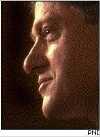 largely
at play. Both Senator Bob Dole and President Bill Clinton were guilty of making personal
attacks on each other's character and policy without any regard for situational factors
that may have been influential. Dole continued to attack Clinton's character, but how much
does character really matter to the voting public? Clinton had a comfortable double-digit
lead in the polls with five weeks remaining
largely
at play. Both Senator Bob Dole and President Bill Clinton were guilty of making personal
attacks on each other's character and policy without any regard for situational factors
that may have been influential. Dole continued to attack Clinton's character, but how much
does character really matter to the voting public? Clinton had a comfortable double-digit
lead in the polls with five weeks remaining 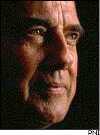 before the election. This was despite all of the
questionable acts in Clinton's past. In an article on education, Clinton attacked Dole by
stating that he opposes elevation of the Department of Education to cabinet status.
Clinton proceeded to make accusations about Dole's resistance to support student loan
programs in the past. To learn more about the role of attribution in this campaign for the
presidency, check out our summary analysis.
before the election. This was despite all of the
questionable acts in Clinton's past. In an article on education, Clinton attacked Dole by
stating that he opposes elevation of the Department of Education to cabinet status.
Clinton proceeded to make accusations about Dole's resistance to support student loan
programs in the past. To learn more about the role of attribution in this campaign for the
presidency, check out our summary analysis.
*Click Here For
the Team's Summary Analysis*
Back to Top
Back To Psy 324 Home Page
July 18, 1996: "Explosion in the Night -- TWA Flight 800"
Analysis by Jon Gresko, Ben Krieger,
Jamie Tubbs, and Kelly Underwood
The crash
of TWA Flight 800 has a lot to offer social psychologists. Crash theories provided by Internet
users show the variety of opinions as to what caused the accident. The Passenger List, with its details and
descriptions, has affected the 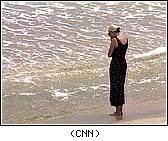 public, who
have attributed numerous personal qualities/characteristics to Flight 800's victims.
Certain examples bring up the theory of Counterfactual
Thinking --Why do people empathize with one victim's death as opposed to another
(example: the death of passengers who got on the flight at the last minute may be viewed
differently than that of a passenger who had reserved a seat in advance)? There are a few
interesting pages devoted to specific passengers, as well as an in-depth passenger list. Also, Chapter 3
by Baumeister in our text may be relevant -- read the chapter and then ask yourself how
self-schemas could affect a person reading the passenger list.
public, who
have attributed numerous personal qualities/characteristics to Flight 800's victims.
Certain examples bring up the theory of Counterfactual
Thinking --Why do people empathize with one victim's death as opposed to another
(example: the death of passengers who got on the flight at the last minute may be viewed
differently than that of a passenger who had reserved a seat in advance)? There are a few
interesting pages devoted to specific passengers, as well as an in-depth passenger list. Also, Chapter 3
by Baumeister in our text may be relevant -- read the chapter and then ask yourself how
self-schemas could affect a person reading the passenger list.
*Click Here for the Team's Summary Analysis*
Back to Top
Back To Psy 324 Home Page
Social Psychology / Miami University (Ohio USA). Last revised: . This document has been accessed 2,793+ times since 1 June 1996. Comments & Questions to R. Sherman
 Links2Go Social Psychology |